




Non-Surgical Tooth Extraction
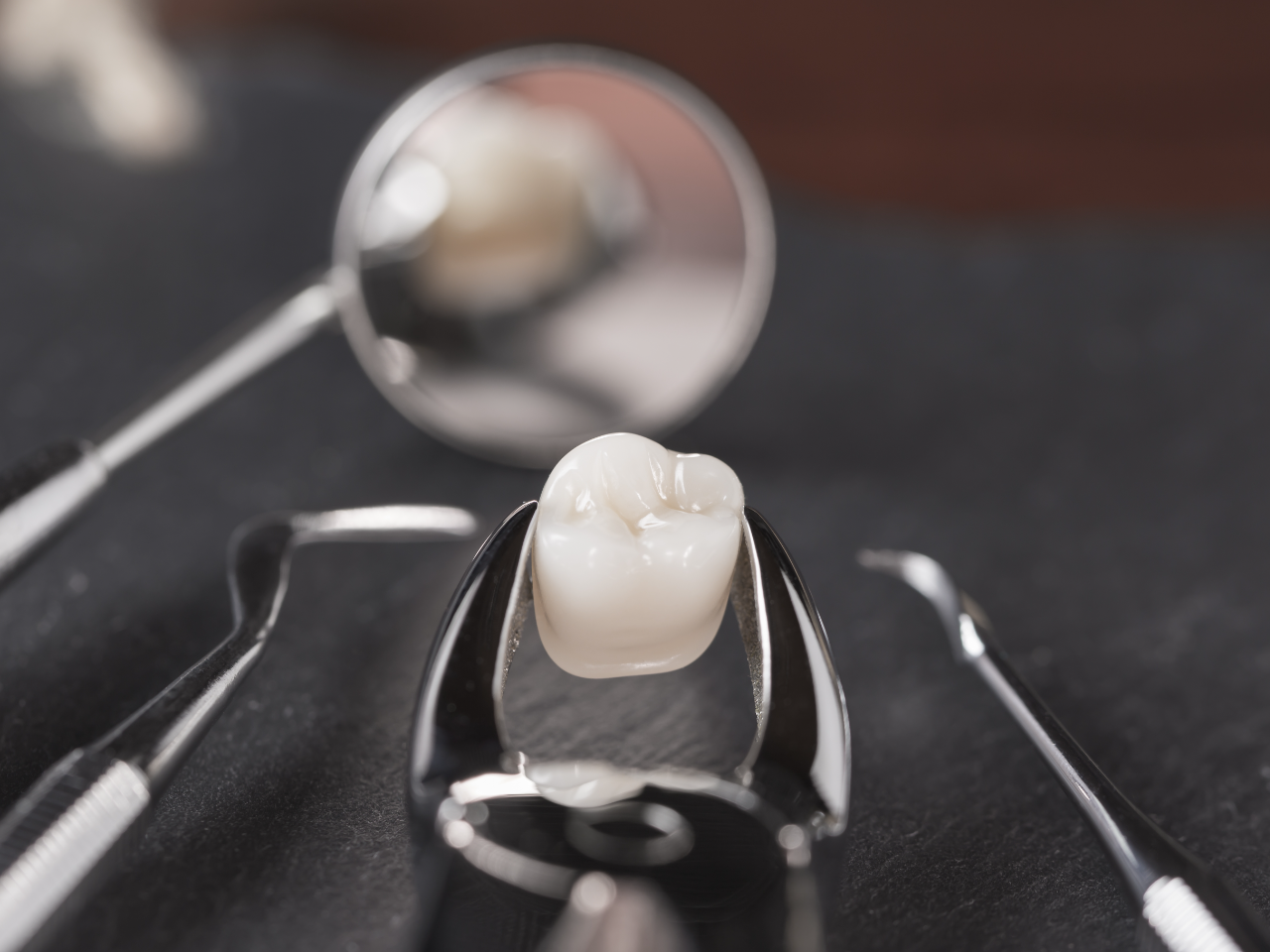
Tooth extraction is the process of removing a tooth that has severe issues or is not suitable for preservation, such as severely decayed or fractured teeth. Typically, the procedure does not require general anesthesia or surgery. However, if a tooth is impacted or located very close to a nerve, surgical extraction may be necessary.
Sometimes, during other dental treatments such as orthodontic procedures, a dentist may recommend tooth extraction. Tooth extraction can be categorized into non-surgical and surgical methods, each with its own applications and treatment procedures.
Procedure for Non-Surgical Tooth Extraction:
- Oral Examination: The dentist will conduct a detailed examination of your mouth and teeth and may arrange for dental X-rays to assess the tooth’s position, length, and the condition of the surrounding alveolar bone to determine the most suitable extraction method.
- Local Anesthesia: The dentist may use local anesthesia around the tooth area to ensure you do not feel discomfort or pain during the extraction.
- Extraction: The dentist will use a dental elevator to loosen the tooth and then extract it using forceps.
- Post-Extraction Care: After the tooth is removed, you may be instructed to bite down on a piece of gauze for 30 minutes to an hour to control bleeding.
It is essential to follow your dentist’s post-extraction care instructions to promote proper healing and prevent complications.
FAQ
When Is Tooth Extraction Necessary?
Cases where tooth extraction may be necessary include:
– Severe periodontal disease leading to bone loss and tooth mobility
– Improper tooth positioning causing damage to surrounding tissues and infection
– Teeth that are too damaged by severe decay or fracture to be repaired
– Abnormal tooth appearance or structure
– Supernumerary teeth (extra teeth)
– Necessary for orthodontic treatment or other dental procedures
– Pathological reasons such as teeth associated with tumors
What Are The Differences Between Surgical And Non-Surgical Tooth Extraction?
Non-surgical tooth extraction
Non-surgical tooth extraction is typically used for simpler cases where the dentist believes the tooth can be removed without surgery.
The dentist will administer local anesthesia at the extraction site to ensure painlessness and then use dental instruments to remove the tooth. The process does not involve surgery or sutures.
Surgical Tooth Extraction
Surgical tooth extraction is typically performed in more complex cases, such as:
– The tooth is severely decayed and cannot be removed through a simple (non-surgical) extraction.
– Impacted wisdom teeth.
– The tooth is located close to a nerve, posing a risk of nerve injury.
– The tooth is deeply embedded in the jawbone, or the jawbone is fragile.
During the procedure, the dentist will administer a local anesthetic around the extraction area. The gum tissue is then cut open, and part of the surrounding bone may need to be removed to expose the tooth root. The dentist will carefully extract the tooth and then suture the wound with stitches.
How to Care for the Wound After Tooth Extraction
After extraction, you should bite firmly on a piece of gauze for 30 minutes to 1 hour to help stop the bleeding. You may swallow saliva, but try to avoid touching the wound to prevent re-bleeding.
On the day of the extraction, please remember the following:
– Do not rinse your mouth.
– Avoid eating hard or rough foods.
– Do not touch the blood clot at the wound with your tongue or fingers.
– Avoid drinking alcoholic beverages.
– Avoid strenuous exercise.
It is normal for the area around the extraction site to swell afterward. The swelling usually subsides within a few days. You may take the painkillers and anti-inflammatory medication prescribed by your dentist and apply a cold compress to relieve discomfort.
Food debris may get trapped in the wound, so starting the next day, you can rinse your mouth gently with warm water or saline solution to maintain oral hygiene.
If you experience heavy bleeding from the wound, contact medical personnel immediately and schedule a follow-up visit with your dentist.
Do I Need to Get My Teeth Cleaned Before Tooth Extraction?
The main purpose of dental cleaning is to thoroughly remove plaque and tartar from the tooth surfaces and gums. Tartar forms when plaque calcifies on the teeth and between the gums, creating an environment for bacteria growth. Therefore, dentists often recommend patients with gum disease or excessive tartar buildup to undergo a cleaning before tooth extraction to reduce the risk of infection.
How Long Is the Recovery Period After Tooth Extraction?
The recovery period after a tooth extraction usually lasts only a few days. The following steps can help you recover smoothly:
- The dentist will place a piece of gauze over the extraction area and ask you to bite down on it to reduce bleeding and promote clot formation. Keep biting on the gauze for about 3 to 4 hours, or until it becomes soaked with blood.
- Take the prescribed medication as directed, including over-the-counter pain relief if necessary.
- Rest and relax for the first 24 hours after the extraction.
- After 24 hours, rinse your mouth with 250 ml of warm water mixed with half a teaspoon of salt.
- Over the following days, as the wound gradually heals, you can slowly return to your normal diet.